Whimsical Bookish Embroidery Design Review
As an experienced embroidery designer who has spent countless weekends setting up booths at local craft fairs, I know that the difference between a design that gathers dust and one that sells out lies in its relatability and visual impact. Today, I am reviewing the Whimsical Bookish Embroidery Design, specifically the piece featuring the phrase "I closed my book to be here." This design targets every book lover who has ever had to reluctantly pause a great story to join the real world. It is an Inspirational category item that feels perfect for handmade market products, but does it actually perform when turned into a physical craft fair product? Here is my professional assessment.
First Impressions: The Mood of the Design
When I first opened the digital file for this project, the immediate feeling was one of cozy charm. The title suggests a whimsical tone, which usually translates to soft lines, playful fonts, and perhaps some floral or nature-inspired accents like the 🌸 mentioned in the description. For a booth display, this aesthetic is gold. It strikes a balance between modern minimalism and rustic farmhouse style, making it accessible to a wide range of customers. The phrase itself is witty and deeply relatable, creating an instant emotional connection with anyone holding a stack of unread books. It feels premium yet approachable, avoiding the overly cute look that sometimes dates quickly. Instead, it offers a sophisticated nod to the quiet joy of reading.
Product Potential on the Craft Fair Table
The true test of any embroidery file is how it behaves across different mediums. In a real-world scenario where I am arranging a table with tote bags, aprons, tea towels, patches, caps, small pouches, pillow covers, and giftable handmade items, where would this design shine?
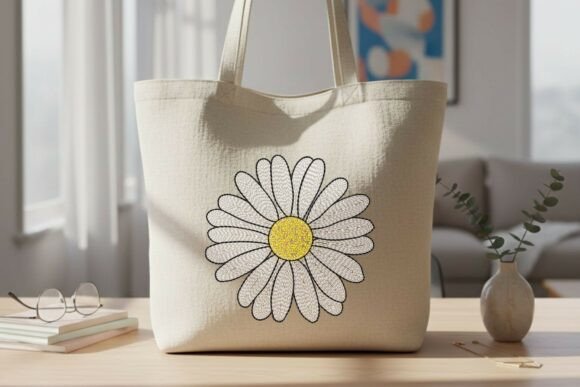
- Tote Bag Design: This is the star performer. A large tote bag made of canvas provides a perfect neutral canvas for the text and graphics. The phrase "I closed my book to be here" acts as a conversation starter when a customer picks up the bag. It transforms a simple utility item into a statement piece that screams "bookworm."
- Apron Embroidery: For the kitchen or crafting enthusiast, this design adds a personal touch to an apron. It fits perfectly on the chest pocket area, offering a subtle detail that becomes visible only when worn, which adds a layer of exclusivity to the handmade product.
- Tea Towel Embroidery: Cotton tea towels are high-margin items. The whimsical nature of the design pairs beautifully with a rustic linen texture. When folded neatly on a display rack, the contrast between the thread colors and the fabric texture draws the eye immediately.
- Embroidered Patch: Converting this into a patch allows for versatility. Customers can iron it onto denim jackets, beanies, or backpacks. It serves as a portable badge of honor for their literary love.
- Caps and Pouches: For smaller items like caps or fabric pouches, the design needs to be scaled correctly. If the lettering remains legible, these become excellent impulse buy items for checkout counters.
Visual Appeal and Customer Attention
In the chaos of a busy craft fair, you have mere seconds to grab attention. The Whimsical Bookish Embroidery Design excels here because it combines text with imagery. Text-based designs often struggle to stand out unless the font is bold, but the addition of the book and flower elements breaks up the negative space effectively. This creates a balanced composition that looks good both as a focal point on a large item and as a small accent on a hat. When photographing these items for online listings, such as for an Etsy seller or a boutique maker, the design photographs exceptionally well. The contrast between the stitching and the fabric creates depth, making the printable mockup look realistic and inviting.
Production Practicality and Selling Strategy
From a production standpoint, efficiency is key for any small shop product. Is this design repeatable for batch production? Yes. The layout appears clean enough to run through multiple hoops without excessive trimming. However, we must consider the stitch density. If the design features dense areas, it may require a longer hooping time and careful stabilizer selection. For a commercial embroidery workflow, ensuring that the stitch density is not too high will prevent puckering, especially on thinner fabrics like cotton tees or lightweight linens.
The design works well as a small accent or a large focal design depending on the scaling. For a booth display, mixing sizes creates visual interest. You might place a large embroidered pillow cover on a chair and pair it with a smaller embroidered patch on a nearby shelf. This variety keeps the customer's eyes moving across the table. Furthermore, the theme is timeless. Unlike seasonal designs that expire after Christmas or Halloween, a book-themed design sells year-round, making it a safe investment for your inventory.
Important Considerations for Success
Before mass-producing these items, there are several technical factors to address. First, check the thread colors. Ensure they offer sufficient contrast against the fabric. If you are using dark fabric, you will need a high-quality underlay and possibly a specific thread type to ensure the white or light-colored details pop. Conversely, on light fabrics, ensure the stitches are tight enough to avoid showing the background color through the design.
Be mindful of the hoop size. If the design is intended for a curved cap surface, verify that the digitizing accounts for the curvature so the text doesn't distort. Similarly, if you plan to use this on textured towels or thick denim, test the design on scrap fabric first. Dense stitch areas can sometimes cause issues on rough textures, leading to a loss of clarity. Tiny details, such as small leaves or fine lines in the book illustration, might get lost if the design is shrunk down too much for a small pouch or a coin purse. Always inspect the final output to confirm that all elements are distinct.
Designer Notes for the Maker
To ensure your finished product meets the highest standards of commercial embroidery, follow these steps. Start by testing the design on a scrap of the exact fabric you intend to sell. Check the spacing to ensure no elements are too close to the edge, which could lead to unraveling during washing. Confirm the hoop size matches your machine's capabilities to avoid re-hooping errors.
Use the right stabilizer for the fabric weight; a cut-away stabilizer is often best for items that will be washed frequently, like aprons and tote bags. Create at least one real mockup before uploading images to your store. Digital renderings are helpful, but nothing beats seeing the actual texture of the thread and the drape of the fabric. Compare different fabric colors to see which ones make the design assets sing. Finally, always confirm your commercial licensing terms before selling finished products. Some digital files allow for unlimited sales, while others may have restrictions.
Final Verdict
The Whimsical Bookish Embroidery Design is a standout choice for creative entrepreneurs looking to expand their digital embroidery file collection. Its relatable message and charming aesthetic make it a strong candidate for boosting engagement in a booth or an online shop. By paying attention to fabric choices, stabilizer usage, and proper scaling, you can turn this design into a best-selling item that resonates with book lovers everywhere. Whether you are an Etsy seller or a weekend craft fair vendor, this design offers the perfect blend of artistry and commerce.