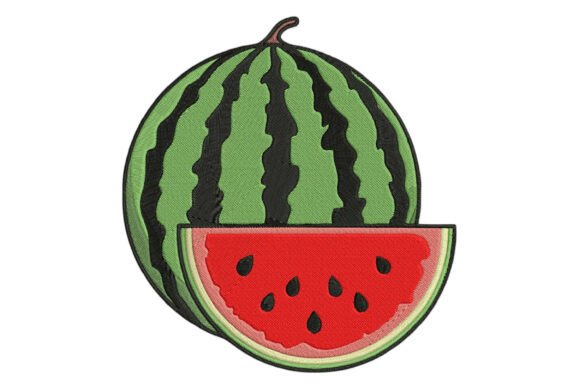
Watermelon Embroidery Design: A Designer's Fair Review
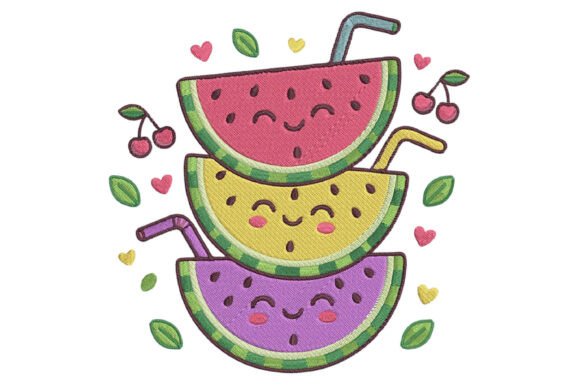
I have been stitching for over a decade, and I know that the difference between a design that sits in your digital folder and one that actually sells at a booth comes down to visual impact and practical production. When I first saw the Watermelon Embroidery Design, my mind immediately went to the upcoming summer craft fairs. The description promises a fresh and juicy touch with a whole watermelon and a sliced piece, which sounds perfect for seasonal merchandise. But as a professional who needs to turn this into a profitable craft fair product, I need to look past the cute concept and evaluate how it performs in the real world.
The First Impression: Bold, Fun, and Seasonal
From a purely aesthetic standpoint, the Watermelon Embroidery Design feels incredibly vibrant. It hits that sweet spot between modern and rustic. It is not trying to be an elegant, high-end floral arrangement; instead, it leans into fun and festive vibes. This makes it an ideal choice for Summer collections where buyers are looking for something bright and cheerful. The combination of a whole fruit and a slice suggests a playful composition that can work well as a central focal point or a clever accent. For a handmade shop owner, this design screams "refreshing," which is exactly what customers want when they see it hanging on a display rack next to other summer goods.
Where This Design Shines on Products
Imagine setting up your table for a weekend market. You have a mix of tote bag designs, aprons, tea towels, and small accessories. Where does this embroidery file fit best? Based on my experience, the Watermelon Embroidery Design has incredible versatility across different product categories.
- Tote Bags and Market Bags: These are the bread and butter of any Etsy seller. Placing the watermelon motif on a canvas tote creates an instant statement piece. The design is likely large enough to stand out against a plain background but small enough to remain balanced. It photographs beautifully for online listings, making it a strong asset for your digital storefront.
- Kitchen Towels and Aprons: For the home cook, this tea towel embroidery idea is pure gold. The imagery of a sliced watermelon evokes feelings of picnics and warm evenings. On an apron, it adds a pop of color that feels both functional and decorative. It transforms a basic kitchen tool into a giftable item.
- Caps and Patches: If you are producing embroidered patches or working on caps, this design offers great potential. However, the curvature of a cap requires careful planning. The whole watermelon might be too wide for a standard front patch, but the sliced piece could work perfectly as a smaller, centered accent.
- Pillow Covers and Pouches: For larger items like pillow covers, the design serves as a beautiful centerpiece. For smaller items like fabric pouches, it acts as a delightful surprise element. These are excellent small shop products that allow you to move inventory quickly.
Production Realities and Selling Points
When evaluating a machine embroidery design for commercial use, we must consider how easy it is to understand at a glance. The Watermelon Embroidery Design appears to have clear shapes, which is crucial for batch production. If the design is too complex, it slows down your workflow and increases the risk of errors. Assuming the lines are clean, this design should be repeatable, allowing you to create a stack of matching items without losing consistency.
Photography is another critical factor. In the age of social media and online marketplaces, your printable mockup needs to sell the product before the customer touches it. The contrast of reds, greens, and blacks in a watermelon theme usually translates very well to camera sensors. It stands out in a grid of images, catching the eye of a scrolling buyer. This visual appeal directly impacts product value; a well-executed design looks premium, justifying a higher price point for your finished product.
Careful-Use Notes for the Savvy Maker
Even the best-looking designs can fail if you do not account for technical limitations. As an experienced designer, I always advise checking specific details before running a full production run. Here are some potential pitfalls to watch out for with this type of fruit-themed art.
Dense Stitch Areas: Watermelon rinds often require significant coverage. If the stitch density is too high, the fabric may pucker, especially on lightweight materials. Conversely, if the seeds are tiny details, they might get lost in the texture of the fabric. Always inspect the stitch density to ensure the design remains crisp.
Fabric Texture and Color: The success of this design relies heavily on thread colors contrasting with your base material. On a dark fabric, the bright green rind and red flesh will pop, but you must ensure the black outlines are visible. On a textured towel, fine details might disappear into the weave. It is essential to test on scrap fabric to confirm that the fabric texture does not interfere with the clarity of the seeds or the shape of the slice.
Size and Clarity: While the design might look great on a large tote, scaling it down for a small pouch or a hat patch could result in a loss of definition. Tiny lettering or intricate seed patterns often become muddy when shrunk. Ensure you have the correct hoop size capabilities for your intended application. If you plan to sell these as digital assets, remember that the final output depends entirely on the user's machine settings.
Designer's Checklist for Success
Before you commit to producing a batch of commercial embroidery items featuring the Watermelon Embroidery Design, follow these practical steps to ensure quality and efficiency.
- Test on Scrap Fabric: Never start with your final product. Run the design on a scrap piece of the same material you intend to sell to check for puckering or distortion.
- Check Thread Contrast: Verify that your chosen thread colors provide enough contrast against the fabric. A light green rind on a white towel might wash out.
- Review Spacing and Hoop Size: Confirm that the design fits within your machine's hoop limits and leaves enough margin for framing.
- Inspect Stitch Density: Look closely at the fill stitches. They should lie flat and smooth, not bunched up.
- Use the Right Stabilizer: Proper stabilization is non-negotiable. Use a stabilizer appropriate for the weight of your fabric to prevent shifting during the embroidery process.
- Create a Real Mockup: Do not rely solely on digital renders. Create at least one physical sample to photograph for your Etsy listing or social media. Real photos build trust with buyers.
- Confirm Commercial Licensing: Before selling finished goods, double-check the license terms included with the digital embroidery file. Ensure you have the right to produce and sell items made with this design.
The Watermelon Embroidery Design has all the makings of a bestseller for the summer season. It captures a mood that resonates with buyers looking for fresh, handmade gifts. By paying attention to the technical details and testing thoroughly, you can transform this simple concept into a standout addition to your booth display. Whether you are a boutique maker or a creative entrepreneur, this design offers a fun way to engage customers and elevate your brand. Just remember that the secret to a successful handmade product lies in the preparation and the care you put into every stitch.