Patriotic Eagle America 4th July Embroidery Review
As a designer who has spent years stitching custom pieces for clients and managing my own shop, I approach every new asset with a mix of excitement and skepticism. When I first laid eyes on Patriotic Eagle America 4th July Embroidery, the initial reaction was one of genuine warmth. It doesn't just look like a digital file; it feels like a finished product waiting to happen. The design captures that specific, nostalgic mood of American summer celebrations without feeling cliché or overdone.
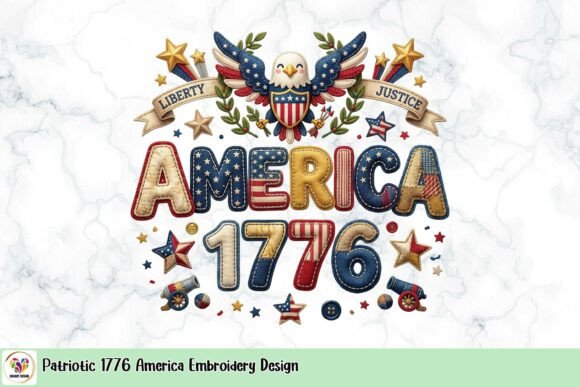
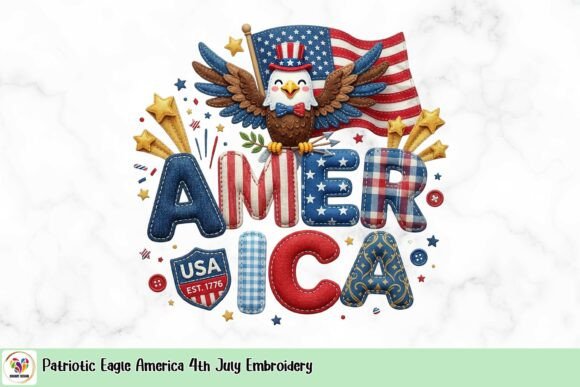
The core strength here lies in the creative typography. The word AMERICA is not merely stitched in thread but crafted using simulated textures like denim and plaid. This visual trickery translates surprisingly well when you think about how embroidery actually works. In a real-world scenario, this texture simulation adds depth that flat satin stitches often lack. For a small business owner looking to create boutique merchandise, this kind of detail elevates the perceived value of the item immediately.
From Digital File to Finished Product: A Real-World Test
Let me walk you through a practical scenario where I imagine using this piece. Suppose I am preparing a batch of custom embroidered tote bags for an upcoming craft fair or Etsy listing. These bags are usually made of sturdy canvas or cotton duck, which provides a perfect base for textured designs. If I were to stitch Patriotic Eagle America 4th July Embroidery onto a natural-colored tote bag, the denim and plaid elements would stand out beautifully against the neutral background.
However, if I decided to use this same design for a baby onesie, I would need to be more cautious. While the theme is celebratory, the density of the simulated fabric textures might feel too heavy for delicate infant wear. The design shines brightest on items that can handle a bit of weight and structure. Think of aprons for a cook-off event, pillow covers for a living room refresh, or even a sweatshirt for a family reunion. On a sweatshirt, the "denim" portion of the text could mimic the look of a patch sewn onto the chest, creating a layered aesthetic that customers love.
I also considered using this as a central motif for an embroidered patch. Because the design features distinct blocks of color and texture, it holds its shape well when cut out and backed. A customer buying a hat or a jacket could easily apply this as a badge of pride. The versatility is there, but only if you respect the limitations of the stitch work.
Where This Design Truly Shines
In my experience evaluating T-Shirt Designs and other graphics for commercial use, clarity is king. This design succeeds because it balances detail with readability. The layout is centered and balanced, making it ideal for standard placement spots on apparel. Here is where I see this asset performing best:
- Holiday Merchandise: Perfect for 4th of July sales, Memorial Day events, or Veterans Day gifts. The patriotic theme is unmistakable yet artistic.
- Boutique Branding: Small shop owners can use this on tags, hang-tags, or packaging inserts to reinforce a handmade, artisanal brand identity.
- Personalized Gifts: Imagine adding a name below the eagle for a customized graduation gift or a retirement present for a veteran.
- Home Decor: The durability of the design makes it suitable for kitchen towels or tea towels, adding a festive touch to a holiday gathering.
When you display a mockup of this on a printable preview, the colors pop. But remember, what looks good on a screen must translate to thread. The contrast between the simulated plaid and the solid areas ensures that the design remains legible even from a distance, which is crucial for trade show booths or online listings.
Practical Considerations for the Stitcher
Before you rush to load your machine, there are critical factors to consider regarding Patriotic Eagle America 4th July Embroidery. As a reviewer, I want to ensure you avoid common pitfalls that can ruin a project.
Fabric Texture and Stability
This design relies heavily on the illusion of different fabrics. If you stitch this on a stretchy knit fabric without proper stabilizer, the tension might distort the "plaid" pattern, making it look wavy rather than crisp. You will need a high-quality cut-away stabilizer for heavier garments like hoodies or jackets. For lighter materials like t-shirts, a tear-away might suffice, but test it first. If the fabric is too thin, the density of the fill stitches could cause puckering, which ruins the professional finish.
Color Contrast is Key
The effectiveness of the denim and plaid simulation depends entirely on your thread choices. If you are working with dark fabric, ensure your thread colors are vibrant enough to show up. Conversely, on light backgrounds, the darker threads should provide enough definition so the design doesn't get lost. I always recommend running a black-and-white test of the design before committing to expensive thread spools. This helps you visualize how the different shades of gray will translate into actual thread tones.
Small Details and Hoop Size
Check your hoop size carefully. If you are trying to fit this design into a very small hoop, such as one used for a cap front panel, you might lose some of the fine details in the eagle's feathers or the intricate texture of the lettering. Large, dense stitch areas can sometimes struggle in tight spaces, leading to thread breaks or needle deflection. If you plan to use this on a hat, verify that the curvature of the cap won't flatten the design too much during stitching.
Designer Notes for Commercial Success
If you are an Etsy seller or a craft business owner planning to sell finished products featuring this design, licensing is non-negotiable. Even though this is a graphic asset, the rules for selling physical goods vary by creator. Always confirm whether the license allows for commercial use of the finished item. Some licenses permit selling up to a certain number of units, while others require a separate commercial agreement.
Furthermore, consider the washability of your final product. Since this design likely uses a significant amount of fill stitch and potentially applique techniques to achieve the texture, it needs to withstand frequent washing. Customers expect their embroidered gifts to last. If the design is too dense, it might trap lint or dirt in the crevices of the stitches. Using a high-quality topstitch thread can help protect the design and give it a polished sheen.
Finally, think about the emotional connection. People buy handmade items because they feel special. Patriotic Eagle America 4th July Embroidery taps into a sense of community and pride. When you present this as part of your collection, emphasize the craftsmanship. Show close-ups of the texture. Explain how the "denim" effect was achieved. This storytelling builds trust and encourages buyers to choose your handmade product over mass-produced alternatives.
In conclusion, this is a robust, visually engaging asset that deserves a spot in a serious designer's library. It offers a fresh take on traditional patriotic motifs and provides enough flexibility to work across various product categories. Just remember to test, stabilize, and respect the limits of your machine. With the right execution, Patriotic Eagle America 4th July Embroidery can become a standout piece in your portfolio, turning simple fabric into memorable keepsakes.