Mediterranean Street Embroidery Pattern Review
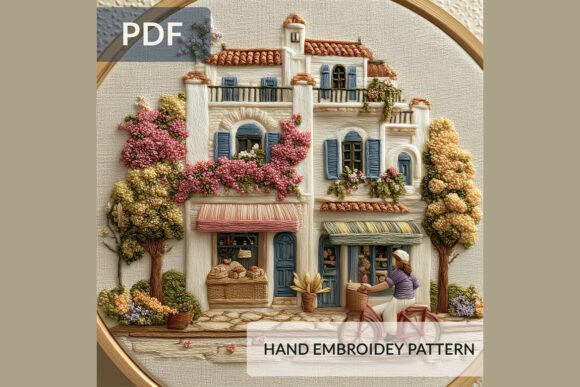
As an experienced embroidery designer who has spent years refining designs for commercial use, I approach every new asset with a critical eye. When evaluating the Mediterranean Street Embroidery Pattern, I am not just looking at aesthetics; I am assessing its viability as a tool for small business growth, brand identity, and customer engagement. This design is marketed as a PDF Floral Village Hoop Design featuring a charming European street scene with a cozy Mediterranean house and blooming flowers. While the description evokes a sense of warmth and rustic elegance, the true test lies in how it translates from a digital file to a tangible product like a patch, cap, or apron.
First Impressions: Personality and Brand Fit
The initial visual impact of the Mediterranean Street Embroidery Pattern suggests a blend of handmade authenticity and premium quality. The imagery of a cozy house and floral elements immediately signals a friendly, welcoming, and perhaps slightly rustic personality. For a boutique bakery, a florist, or a creative studio, this aesthetic aligns perfectly with brands that want to communicate warmth, craftsmanship, and a connection to nature or travel.
In the world of brand identity, visual consistency is paramount. This design feels less like a generic clipart and more like a custom illustration. It possesses a playful yet elegant vibe that can elevate a simple tote bag or a standard work shirt into a statement piece. However, the "handmade" feel must be preserved during digitization. If the final output looks too stiff or overly digital, it loses the charm that makes it suitable for small business merch. The design assets appear to lean towards a classic, decorative style that works well for businesses wanting to stand out without being overly modern or corporate.
Real-World Application for Small Businesses
Let us imagine a scenario where a local café or a handmade shop decides to adopt the Mediterranean Street Embroidery Pattern for their branded merchandise. How does it perform in practical applications?
Embroidered Patches: One of the most popular uses for this type of design is creating custom patches. The cohesive composition of the house and flowers makes for a striking chest logo or a back-of-jacket accent. When executed correctly on a durable fabric, these patches add significant value to the finished product, turning a plain jacket or apron into a collectible item for loyal customers.
Apparel and Uniforms: For staff uniforms, this design offers a unique alternative to standard logos. Imagine a barista wearing an apron embroidered with the Mediterranean Street Embroidery Pattern near the pocket. It adds a layer of professionalism while maintaining a personal touch. Similarly, for cap embroidery, the design could serve as a focal point on the front panel, provided the curvature of the hat is accounted for during the stitching process.
Tote Bags and Product Packaging: A tote bag design featuring this pattern is a low-cost, high-impact way to increase brand visibility. Customers love carrying bags that look artisanal. Furthermore, using this digital embroidery file on product packaging accents, such as gift tags or hangtags, reinforces the handmade product narrative. It tells the buyer that care was taken in the creation of the item they are purchasing.
Critical Considerations and Potential Pitfalls
While the potential is high, there are specific areas where the Mediterranean Street Embroidery Pattern requires careful handling. As a designer, my first concern would be the complexity of the details. If the original artwork contains tiny lettering or intricate outlines, these may become lost when reduced to a small patch size or stitched onto a curved surface like a cap.
Stitch Density and Fabric Texture: Designs with high stitch density can cause puckering on lightweight fabrics. If you plan to use this on thin cotton tees or delicate linens, you must ensure the stabilizer chosen is appropriate to support the weight of the thread. Conversely, on textured fabrics, fine details might get swallowed by the weave. Dark uniforms present another challenge; if the thread colors do not have sufficient contrast against the background fabric, the Mediterranean Street Embroidery Pattern will lose its definition and visual appeal.
Washability and Durability: For items that require frequent washing, such as staff aprons or work shirts, the durability of the design is crucial. Complex designs with many satin stitches can sometimes trap lint or wear down faster than simpler geometric logos. Before committing to a bulk order, it is essential to test the design's longevity under real-world conditions.
Impact on Brand Identity and Customer Trust
Using a high-quality machine embroidery design like this one directly influences customer perception. In the competitive landscape of Etsy sellers and craft business assets, presentation is everything. A crisp, well-executed embroidery job conveys professionalism and attention to detail. It builds customer trust and suggests that the brand values quality.
When a customer sees a custom apparel item featuring a unique, artistic design like the Mediterranean Street Embroidery Pattern, it creates an emotional connection. It transforms a commodity into a story. This visual consistency across all touchpoints—from the uniform of the employee to the tag on the product—strengthens the overall brand image and encourages repeat business.
Practical Designer Notes for Production
If you are planning to integrate the Mediterranean Street Embroidery Pattern into your commercial projects, follow these professional steps to ensure success:
- Test in Black and White: Before selecting thread colors, review the design in grayscale. This helps you identify any areas where details might merge or disappear due to lack of contrast.
- Check Stitch Density: Review the file settings to ensure the stitch density is balanced. Too much thread can distort the fabric, while too little can leave gaps in the design.
- Verify Hoop Size: Confirm the recommended hoop size matches your production capabilities. Large designs may require multiple hooping sessions, which can affect alignment.
- Inspect Spacing: Ensure there is adequate spacing between elements to prevent thread breaks and tangling during the embroidery process.
- Use Proper Stabilizer: Select a stabilizer that complements the fabric texture. A heavy-duty cut-away is often best for patches and caps, while tear-away may suffice for light garments.
- Create a Mockup: Use a printable mockup to visualize the design on the actual product before running a full production batch. This allows for client approval and reduces waste.
- Confirm Licensing: Always verify the commercial licensing terms. Ensure you have the right to use the design on items you intend to sell, especially if you are creating branded merchandise for resale.
Finally, always compare the design beside other design assets in your collection to ensure it fits within your overall visual language. By taking these precautions, you can transform the Mediterranean Street Embroidery Pattern from a simple PDF download into a powerful tool for your business.
Final Verdict
The Mediterranean Street Embroidery Pattern holds immense promise for small business owners looking to add a touch of European charm and artisanal flair to their products. Whether used as an embroidered patch, a cap design, or a detail on a tote bag, it has the potential to enhance your finished product and engage buyers on a deeper level. With careful attention to technical details like thread colors, fabric texture, and stabilization, this design can become a staple in your inventory of commercial embroidery projects.
For those in the market for versatile graphics and Patterns that bridge the gap between digital art and physical craftsmanship, this design is a strong contender. Just remember to test thoroughly and prioritize quality control to maintain the high standards your brand represents.