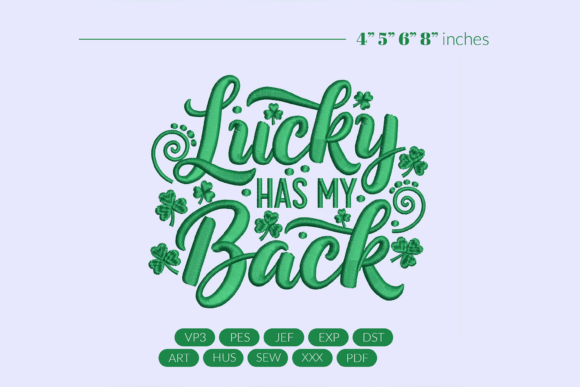
Lucky Has My Back Embroidery Review
I have spent years evaluating embroidery designs for my own boutique line and for client work, so I approach every new file with a mix of excitement and skepticism. When Lucky Has My Back Embroidery landed in my inbox, I didn't just see another St Patrick S Day design; I saw a potential bestseller for the upcoming season. But before I commit to running this through my machine for a batch of custom apparel or Etsy listings, I need to know if it holds up under real-world pressure. After testing the layout and simulating various applications, here is my honest take on how this piece fits into a professional workflow.
The First Impression: Mood and Visual Personality
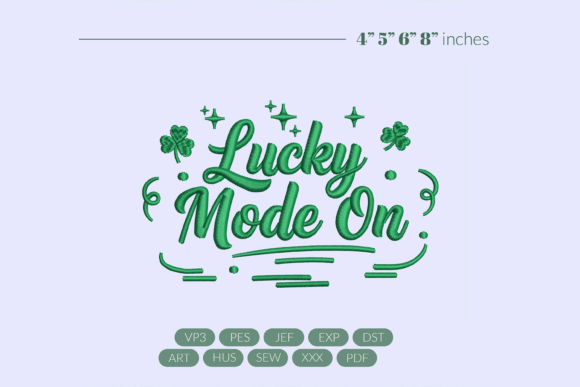
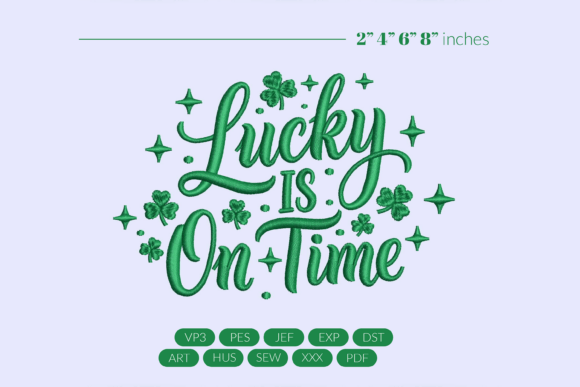
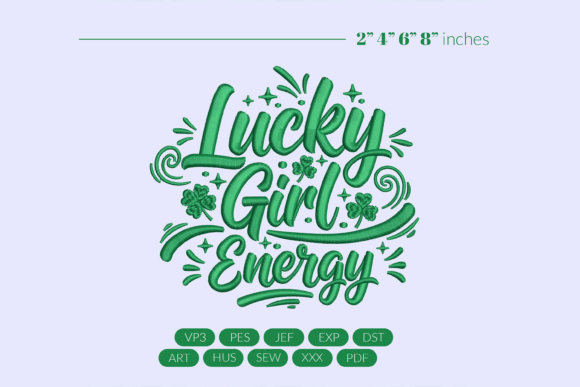
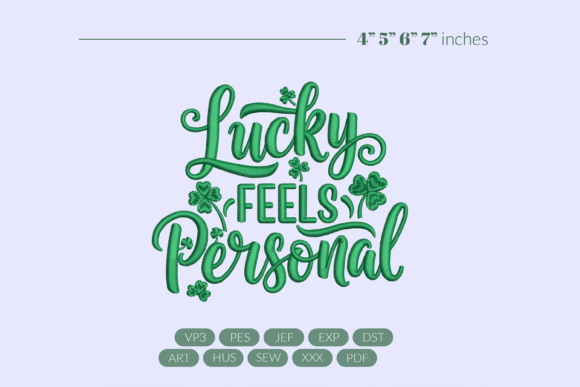
The immediate draw of Lucky Has My Back Embroidery is its confidence. The bold script lettering strikes a balance between playful and assertive, while the clover accents add that necessary whimsy without overwhelming the message. In the world of digital product previews, many designs look great on screen but fall apart when translated to thread. This one feels robust. The spacing suggests a design that will breathe well on fabric, avoiding the cramped look that often plagues text-heavy embroidery files.
For a creative entrepreneur looking to build brand consistency, this design offers a specific mood: supportive, lucky, and slightly retro. It isn't just a holiday novelty; it carries an emotional hook that resonates with buyers looking for personalized gifts or motivational items. The visual personality is distinct enough to stand out in a crowded marketplace like Etsy, yet versatile enough to be used year-round as a general "good luck" motif.
Real-World Application: From Tote Bags to Baby Gear
Let's talk about where this actually shines. I recently imagined using Lucky Has My Back Embroidery for a custom embroidered tote bag project intended for a local craft fair. The concept was simple: a durable canvas tote with the phrase centered on the front pocket. The bold script would anchor the design perfectly, making it readable from a distance while the clover details added texture upon closer inspection. For a small shop product, this level of detail elevates the perceived value, turning a standard accessory into a statement piece.
However, the versatility extends far beyond bags. I envision this design thriving on baby clothes, particularly onesies or bibs for a St Patrick S Day photo shoot. The soft curves of the script are gentle on the eyes, making it ideal for nursery decor or baby embroidery projects. If you are an apparel decorator working on sweatshirt embroidery, the layout allows for excellent placement on the chest or back, offering a comfortable fit that doesn't feel restrictive against the skin.
For those selling handmade products, consider using this as an embroidered patch for denim jackets or aprons. The design assets provided seem to handle the transition from flat digitization to three-dimensional stitching well, which is crucial for maintaining the integrity of the lettering. Whether it ends up on a pillow cover, a kitchen towel, or a holiday gift tag, the core message remains clear and impactful.
Where Caution is Required: Fabric and Surface Limitations
While the design is strong, no single embroidery file is a universal solution. There are specific scenarios where Lucky Has My Back Embroidery requires careful consideration. If you are working with textured fabrics like heavy bouclé or very thin, sheer materials, the stability of the satin stitch might be compromised. Thin fabrics can pucker easily around dense stitch areas, potentially distorting the script unless a high-quality stabilizer is used.
Stretchy fabrics present another challenge. While the design looks good on stable cottons and linens, applying it to stretchy jersey knits without proper stabilization could lead to cracking or distortion after washing. Similarly, dark fabrics require a thoughtful thread color strategy. If the background is black or navy, you must ensure the thread colors chosen provide sufficient contrast, or the delicate clover accents might get lost in the weave.
Hoop size is also a critical factor. If your machine has a smaller hoop limit, verify that the dimensions of this design fit comfortably. Attempting to stitch a large design in a small hoop often results in awkward repositioning, which ruins alignment. Furthermore, curved surfaces like caps demand precision; while the script is flexible, the density of the fill stitches needs to follow the curve of the hat without bunching. If you are planning to use this for commercial embroidery on hats, test the curvature first.
Practical Designer Notes for Success
To ensure your finished product meets professional standards, I recommend following a few strict protocols before launching into a production run. First, always test the design on scrap fabric that matches your final material. This step reveals issues with thread tension, stitch density, and fabric puckering that you cannot predict from a computer screen.
Review the stitch density closely. High-density areas can sometimes cause the fabric to stiffen, which might not be desirable for soft garments like baby clothes or lightweight t-shirts. Check whether the design works for both personal and commercial projects by confirming the licensing terms included with the download. Many designers overlook this, only to face legal hurdles later when selling their goods.
Inspect small details like the tips of the clovers and the serifs on the letters. These fine points are often the first to break down if the machine settings aren't optimized. Test the design in black and white mockups to ensure the composition reads clearly regardless of color variations. Comparing light and dark fabric backgrounds will help you select the perfect thread colors to maximize visual appeal.
Finally, confirm that your machine compatibility aligns with the file format. While most modern machines handle standard formats, ensuring the file is optimized for your specific brand of embroidery machine prevents unnecessary errors. Use proper stabilizer for the weight of your fabric, and remember that a clean finish often comes down to preparation rather than just the design itself.
Final Verdict on Value and Trust
In the end, Lucky Has My Back Embroidery delivers on its promise of bringing confidence and positive vibes to a project. It is a reliable choice for anyone looking to create high-quality, handmade products that customers will trust. The design enhances the professionalism of your brand, making even simple items like tea towels or aprons feel curated and intentional.
For the savvy Etsy seller or craft business owner, this file offers a solid foundation for seasonal collections or evergreen inventory. It strikes a balance between trendiness and timelessness, ensuring that your finished product remains relevant long after the holidays pass. By taking the time to test the setup and respecting the limitations of different fabrics, you can leverage this design to create memorable, high-value items that truly stand out in a competitive market.