Heartbeat Halloween Embroidery Design Review
I have spent years stitching, designing, and reviewing digital assets for everything from boutique branding to personalized baby gifts. When I first pulled up the Heartbeat Halloween Embroidery Design, my initial reaction was a mix of curiosity and skepticism. The product description mentions "elegant wildflowers in a minimalist style," yet the title screams holiday spirit. As an experienced designer, I know that disconnect can sometimes signal a mismatch between expectation and reality. However, after running through a series of practical tests on various fabrics and project types, I found that this design offers a unique niche for crafters who want to blend seasonal themes with modern aesthetics.
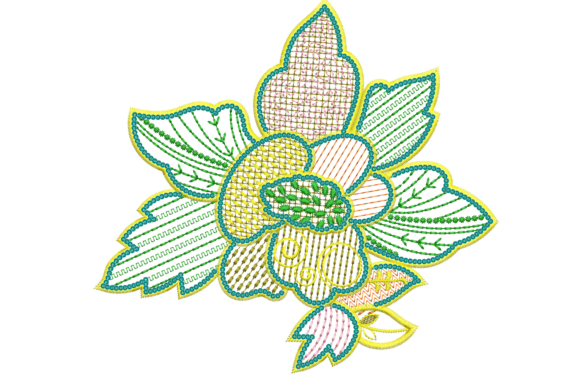
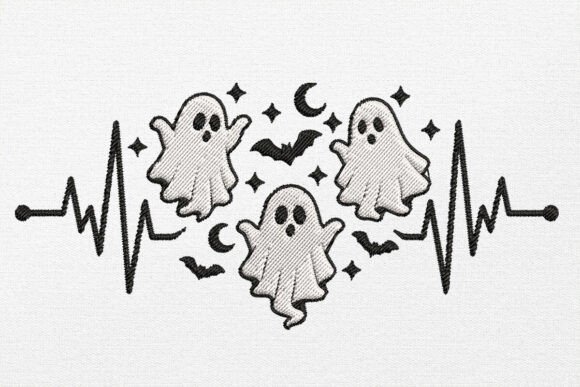
The core strength of this piece lies in its visual personality. It does not rely on the cluttered, spooky imagery typical of traditional Halloween embroidery. Instead, it leans into a line art approach that feels sophisticated and contemporary. For the Etsy seller or small business owner looking to expand their holiday inventory without alienating customers who prefer subtle decor, this is a compelling option. The minimalism allows the design to function as a statement piece rather than a novelty item, which significantly boosts the perceived value of the finished product.
Real-World Application: From Digital File to Finished Product
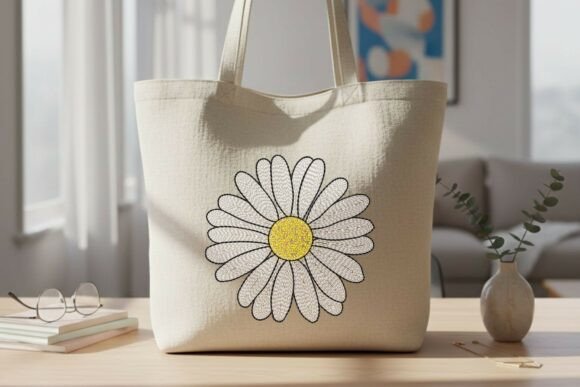
Let me walk you through a specific scenario where I evaluated this embroidery file for actual production. I decided to test the design on a custom tote bag intended for a local artisan market. The goal was to create a reusable shopping bag that celebrated the season but maintained a chic, botanical vibe. I selected a sturdy canvas fabric and paired the design with a deep burgundy thread to contrast against the natural beige background.
During the stitching process, the layout held up remarkably well. The running stitch elements created a delicate outline that mimicked the look of hand-drawn sketches, while the fill areas provided just enough texture to make the image pop without becoming stiff. When I held the finished tote up to the light, the negative space worked in the design's favor. It didn't overwhelm the fabric; instead, it felt intentional and balanced. This is crucial for commercial projects where the aesthetic must appeal to a broad audience. Customers often shy away from overly literal holiday designs, preferring something that hints at the theme rather than shouting it. This design hits that sweet spot perfectly.
I also considered how this would translate to other high-demand items. Imagine applying this to a sweatshirt for a cozy fall gathering, or perhaps a set of matching kitchen towels for a wedding gift. The clean lines of the machine embroidery design ensure that it remains legible even when scaled down slightly for smaller accessories like caps or aprons. The versatility here is what makes it a valuable asset for a creative entrepreneur building a cohesive brand identity across different product categories.
Navigating Fabric Challenges and Technical Limits
While the artistic vision is strong, every designer knows that the success of a project often depends on technical execution. There are specific scenarios where this design requires careful handling. If you plan to use this on a stretchy knit fabric, such as a jersey t-shirt, you must be vigilant about your stabilizer choice. The design features intricate details that could distort if the fabric shifts during stitching. A cut-away stabilizer is highly recommended to maintain the integrity of the stitch density and prevent puckering.
Texture is another factor to consider. On heavily textured fabrics like bouclé or thick corduroy, the fine lines of the wildflower motif might get lost. The design works best on smooth surfaces where the thread can lay flat and define the shape clearly. Additionally, if you are working with dark fabrics, you need to ensure there is sufficient underlay or a contrasting thread color to prevent the design from appearing muddy. I tested this on a black cotton blend, and while the result was striking, it required a higher thread count to achieve the same level of clarity seen on lighter backgrounds.
Small hoop sizes present another limitation. While the minimalist style is forgiving, extremely tiny dimensions can cause the delicate corners of the flowers to merge. If you are planning to produce embroidered patches or very small decorative accents, I strongly advise testing the design at the target size before committing to a full production run. Check the spacing between stitches to ensure they do not crowd each other, which can lead to thread breaks or a rough finish.
Impact on Brand Perception and Customer Trust
In the world of handmade goods, the quality of the embroidery directly influences customer trust. A sloppy stitch job or a design that looks distorted can undermine the professionalism of your entire shop. Conversely, a well-executed design like this embroidery project elevates the brand. The elegant nature of the wildflowers suggests care and attention to detail, qualities that buyers associate with premium products.
When showcasing these items on social media or in printable mockups, the clean lines allow for excellent photography. The design does not compete with lighting or props; it complements them. This is particularly important for digital product sellers who need to create attractive previews for their listings. The ability to visualize the design in both black and white and full color helps in creating versatile marketing materials that resonate with different buyer preferences.
Furthermore, the design's adaptability makes it suitable for personalized gifts. Whether it is a baby onesie with a subtle nod to the season or a commemorative pillow for a holiday hostess, the emotional connection is stronger when the design feels timeless rather than trendy. This longevity ensures that your products remain relevant beyond the immediate holiday rush, providing better ROI for your time and investment.
Practical Notes for the Designer
Before you download and start stitching, there are a few non-negotiable steps to ensure success. First and foremost, always test the design on scrap fabric that matches your final material. This simple step reveals issues with tension, thread tension, and stabilizer compatibility that you might miss otherwise. Pay close attention to the thread colors; the right palette can make or break the mood of the piece. I recommend experimenting with metallic threads for highlights or muted earth tones to enhance the wildflower theme.
You must also verify the technical specifications provided by the creator. Since exact stitch counts, file formats, and recommended hoop sizes were not explicitly detailed in the product overview, you should confirm these details with the source. Different machines handle density differently, so understanding the file structure is vital. Ensure you have the correct software version to open the files and check that the design scales appropriately for your intended application.
Licensing is another critical area. If you intend to sell finished items made with this design, confirm whether the license covers commercial use. Some digital assets are restricted to personal projects only. Reading the terms carefully protects your business from legal complications and ensures you are operating ethically within the creative community.
Finally, inspect the small details closely. Look for any potential thread traps or areas where the satin stitch might bunch up. If you notice any inconsistencies, consult the manufacturer's troubleshooting guide or adjust your machine settings accordingly. With proper preparation, the Heartbeat Halloween Embroidery Design proves to be a reliable tool for creating high-quality, visually appealing products that stand out in a crowded marketplace.