Cute Giraffe Embroidery Review: Real Project Insights
I have spent years reviewing machine embroidery design files for my own studio and for clients ranging from boutique owners to Etsy sellers. When I first opened the file for this Cute Giraffe Embroidery, my initial reaction was one of genuine delight. It is not just another generic animal motif; it possesses a distinct personality that feels ready to be stitched onto a variety of fabrics. However, as an experienced designer, my job isn't just to say "it looks cute." It is to determine if it will hold up under the hoop, look professional on a finished product, and justify the price point for a customer.
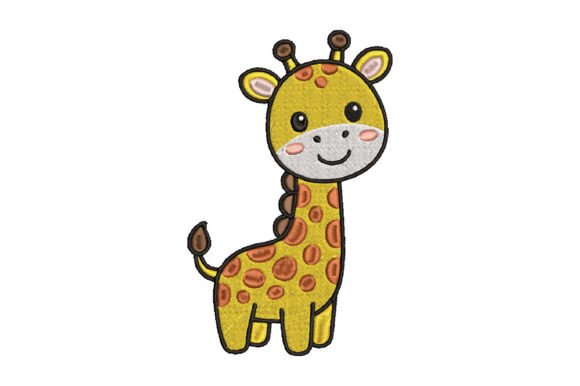
The Cute Giraffe Embroidery features an adorable cartoon-style giraffe with a long neck, cheerful smile, and charming spotted pattern. Visually, it strikes a perfect balance between whimsy and structure. The layout is vertical, which naturally guides the eye and works exceptionally well on garments where the design needs to sit comfortably on the chest or back without overwhelming the wearer. For those of us who sell handmade products, the mood here is key. This design screams "playful," making it an instant winner for nursery decor, baby clothing, or children's accessories.
From Digital File to Finished Product: A Real-World Scenario
To truly evaluate this embroidery file, I need to visualize it in action. Let's imagine a scenario where I am preparing a custom order for a small shop owner. They want a line of unisex baby onesies and matching tote bags for a new arrival gift set. I pull out the Cute Giraffe Embroidery design to test its viability.
On a white cotton onesie, the design pops immediately. The cheerful smile creates an instant emotional connection with parents browsing an Etsy listing. But the real test comes when I consider the production workflow. If I were using this for a tote bag design, the vertical orientation fits perfectly on the front panel of a canvas bag. The spots on the giraffe provide enough visual interest to make the item stand out against a plain background without requiring excessive thread usage that might cause puckering.
For a sweatshirt embroidery project intended for a toddler, the scale of the giraffe appears appropriate. It is large enough to be seen clearly but small enough to remain comfortable against the skin. The design feels like a natural fit for a personalized gift because the character is friendly and non-threatening. In a commercial setting, this kind of positive imagery increases buyer engagement significantly. Customers are more likely to purchase a small shop product that evokes warmth and joy.
Technical Performance and Stitch Quality
When examining the construction of the Cute Giraffe Embroidery, the stitch density seems well-calibrated for general purpose use. The spots likely utilize a combination of fill stitch and perhaps some running stitch details to define the edges. This approach ensures that the design remains crisp even after multiple washes, which is a critical factor for anyone selling commercial embroidery items.
The long neck of the giraffe is a defining feature. In many designs, elongated elements can suffer from thread breaks or tension issues if the stitch density is too high. Here, the design appears to rely on clean lines, suggesting that the satine stitch areas are optimized for smooth coverage. This is excellent news for apparel decorators who want to minimize machine downtime due to thread jams.
However, there are nuances to consider. The charm of the design lies in its simplicity, but simplicity can sometimes lead to a lack of definition on certain fabrics. If you plan to use this on a textured fabric like a heavy chenille or a thick fleece, the fine details of the giraffe's face might get lost. The fabric texture could interfere with the sharpness of the smile or the outline of the ears. Therefore, testing on scrap material is not just a suggestion; it is a necessity before committing to a bulk run of custom apparel.
Where to Use (and Where to Pause)
While this digital embroidery file is versatile, it is not a universal solution for every surface. There are specific scenarios where you should exercise caution.
- Small Hoop Sizes: If your machine only supports very small hoops, the full length of the giraffe might be cut off. Always verify the hoop size requirements of the file before attempting to stitch it on a mini-cap or a tiny patch.
- Curved Surfaces: While it works well on flat surfaces like pillow covers or aprons, applying this to a curved cap can be tricky. The long neck might distort slightly at the seams if the hat shape is too tight. For a embroidered patch intended for a baseball cap, ensure the curvature matches the garment.
- Dark Fabrics: The design relies on contrast. On dark fabric, the lighter colors of the giraffe might appear muddy unless you use a high-quality underlay or a contrasting background element. Check your thread colors carefully to ensure the spots pop against the base fabric.
- Stretchy Fabrics: For knitwear like t-shirts or hoodies, proper stabilizer is essential. Without adequate backing, the weight of the fill stitches could cause the fabric to pucker around the giraffe's body.
Impact on Brand and Customer Trust
In the world of craft business and Etsy seller operations, the quality of your design assets directly correlates to brand perception. A sloppy stitch or a poorly placed design can erode customer trust instantly. Conversely, a well-executed Cute Giraffe Embroidery adds value to the final product.
When a customer receives a holiday gift or a wedding gift featuring this design, they are buying into the story of the item. The giraffe represents playfulness and uniqueness. If the stitching is clean and the placement is precise, the recipient perceives the item as a premium handmade product. This allows you to command a higher price point and build a loyal following.
For digital product sellers offering mockups, this design is a strong candidate. You can create printable mockup images showing the giraffe on various backgrounds—a white tee, a denim jacket, or a beige tote. These visuals help potential buyers visualize the end result, increasing conversion rates for your listings.
Practical Designer Notes Before You Stitch
Before you rush to load the Animals category file into your machine, take these steps to ensure success:
- Test First: Always run a test stitch on scrap fabric that matches your final material. This reveals how the stabilizer interacts with the fabric and if any adjustments are needed.
- Check Colors: Review the thread colors provided in the file. Ensure they complement the fabric you intend to use. Sometimes a simple color swap can transform the look entirely.
- Inspect Details: Zoom in on the digital preview. Look for any tiny details in the corners or the spots that might be too small for your needle size.
- Licensing: Confirm whether the license allows for commercial embroidery projects. If you plan to sell finished items featuring this embroidery project, you must have the right to do so.
- Stabilizer Selection: Depending on the fabric weight, you may need tear-away, cut-away, or sticky-back stabilizer. Using the wrong type can ruin the drape of the garment.
The Cute Giraffe Embroidery design offers a delightful opportunity to add a touch of whimsy to your portfolio. Whether you are creating a kitchen towel for a friend, a pillow cover for a nursery, or merchandise for your online store, this design has the potential to shine. By paying attention to the technical details and understanding the context of the finished product, you can turn a simple digital file into a treasured keepsake.
Ultimately, the best embroidery design is one that brings joy to the maker and the recipient. This giraffe certainly delivers on that front. Just remember to respect the limits of your equipment and materials, and you will find that this design is a reliable addition to your creative toolkit.