Basket Embroidery Design Review
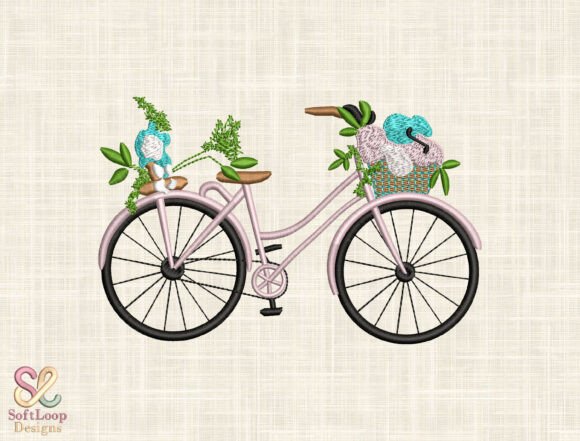
As an experienced embroidery designer who has spent countless weekends at craft fairs and handmade markets, I know that the difference between a design that sits on a shelf and one that sells out is often in the details. Recently, I examined the PINK VINTAGE BICYCLE Embroidery Design, which is marketed as a whimsical artwork featuring a classic pink step-through bicycle. Before turning this into a batch of products for my booth, I put it through the same rigorous evaluation process I use for every digital file I sell. This review breaks down exactly how this piece performs in the real world of handmade commerce.
The First Impression: Charm Meets Marketability
When you first look at the description "Pedal into a world of creativity and charm," you immediately get a sense of the mood. This isn't just a generic floral motif; it is a narrative piece. The focus on a pink vintage bicycle suggests a style that is soft, nostalgic, and undeniably cute. In the crowded space of craft fair product displays, items that evoke a specific feeling or memory tend to stand out more than abstract patterns. This design feels distinctly farmhouse-chic with a touch of modern whimsy. It strikes a balance between decorative and premium, making it perfect for customers looking for gifts that feel personal rather than mass-produced.
The color palette implied by the title—likely soft pinks, creams, and perhaps muted greens or teals for the background—creates a visual appeal that photographs exceptionally well. For Etsy sellers and boutique makers, high-quality imagery is crucial. A design that looks charming in person will translate beautifully to a printable mockup or an online listing, drawing the eye from a screen to a physical purchase.
Product Potential: Where This Design Shines
In my experience evaluating machine embroidery designs for commercial use, versatility is key. The Basket Embroidery Design (referencing the bicycle theme) offers excellent potential across several high-demand categories. Let's look at where it fits best on a vendor table.
Tote Bags and Market Bags: These are staples for any craft fair seller. A large, focal embroidery of a vintage bike on a canvas tote bag creates an instant statement piece. It works as a large focal design on the front pocket or centered on the main body. Customers love these for their utility and aesthetic value, making them a top-tier small shop product.
Aprons and Tea Towels: For the home goods section, this design adds a pop of personality to kitchen linens. On a tea towel, the bicycle can serve as a delightful accent near the hem, while on an apron, it might sit proudly over the chest pocket. The contrast against white or cream linen makes the pink hues pop, enhancing the finished product's perceived quality.
Caps and Embroidered Patches: If the stitch density allows for smaller scaling, this design could work beautifully on dad hats or baseball caps. Alternatively, creating it as a standalone embroidered patch offers a unique selling point. Patches allow buyers to customize their own jackets or bags, expanding the reach of your inventory.
Pillow Covers and Small Pouches: These items are great for impulse buys. A set of matching pillow covers featuring this whimsical artwork can create a cohesive collection for a bedroom or nursery. Similarly, small fabric pouches for cosmetics or sewing kits make excellent giftable handmade items that move quickly at a market.
Production Practicality and Selling Strategy
Before committing to a full production run, a professional must consider the practicalities of the embroidery file. How easy is the design to understand at a glance? Does it photograph well? And is it repeatable for batch production?
This design appears to have a clear silhouette, which is essential for clarity. However, when dealing with intricate elements like the spokes of a bicycle wheel or the curves of the handlebars, stitch density becomes a critical factor. If the stitches are too dense, the fabric may pucker, ruining the crisp lines of the bike. Conversely, if the density is too low, the design may look sparse and cheap on textured fabrics like heavy cotton towels or denim.
For batch production, consistency is everything. You want a design that doesn't require constant re-hooping or complex stabilizer changes. If the hoop size required is standard (like 4x4 or 5x7), production will be smooth. If the design requires a larger frame, it may limit the types of garments you can produce efficiently.
Crucial Considerations for Craft Fair Success
To ensure the Basket Embroidery Design delivers the value customers expect, there are specific areas to watch during production. Dense stitch areas, particularly in the wheels or basket of the bike, need careful attention. Tiny details can sometimes get lost if the thread colors do not provide enough contrast against the fabric texture.
If you plan to embroider on dark fabric, you must evaluate whether the light pink threads will show up clearly without excessive underlay, which can add bulk. Similarly, on curved cap surfaces, small lettering or fine lines might distort. Always test the design on scrap fabric before applying it to your final inventory. This step is non-negotiable for maintaining brand consistency and ensuring a professional finish.
Another vital aspect is the visual impact on the display. A booth filled with items that all feature a cohesive theme draws people in. Using this design across different mediums—totes, towels, and patches—creates a unified brand story. It tells the customer that your shop specializes in curated, thoughtful designs rather than random assortment.
Essential Designer Notes for Commercial Use
As we prepare to turn this digital asset into tangible goods, here is a checklist for any serious entrepreneur:
- Test on Scrap Fabric: Never skip this step. Check how the thread colors interact with your chosen material.
- Review Spacing: Ensure the design fits within your intended hoop size without cutting off important details.
- Inspect Stitch Density: Look for areas where the fabric might be pulling or bunching up.
- Use the Right Stabilizer: Depending on whether you are working with lightweight cotton or sturdy denim, your stabilizer choice will dictate the final look.
- Create Real Mockups: At least one real mockup should be photographed for your Etsy listings to manage customer expectations accurately.
- Confirm Commercial Licensing: Before selling finished products, verify that your license allows for commercial use. Do not assume a personal license covers sales.
By following these guidelines, you can maximize the potential of the Basket Embroidery Design. Whether you are an Etsy seller looking to expand your catalog or a boutique maker aiming to impress at a weekend market, this design offers a wonderful opportunity to connect with customers through the joy of handmade crafts. Remember, the goal is not just to sell an item, but to share a piece of art that brings a smile to someone's face.
Ultimately, the success of a craft fair product lies in the execution. With careful planning and attention to detail, this whimsical bicycle design can become a signature piece in your collection, driving engagement and sales alike.