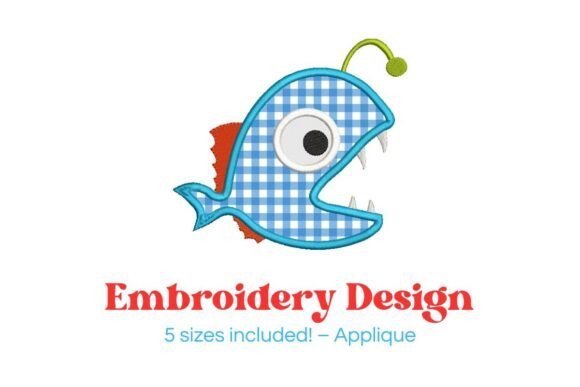
Anglerfish Applique Kids Embroidery
As an experienced embroidery designer who has spent years refining digital files for commercial use, I approach every new asset with a critical eye. When evaluating Anglerfish Applique Kids Embroidery, my goal is not just to admire the artistry but to determine its viability for small business merchandise and branded patch applications. This design promises a playful yet mesmerizing deep-sea creature, capturing the authentic pattern of the Anglerfish. For boutique owners, Etsy sellers, and apparel decorators looking to add a unique touch to their inventory, understanding the practical implications of this file is essential.
First Impressions: A Bold Visual Personality
The initial assessment of Anglerfish Applique Kids Embroidery suggests a design that balances whimsy with professional structure. The description highlights a focus on the creature's body patterns, which implies a strong foundation for appliqué techniques. In the world of custom apparel, the first impression determines whether a piece feels like a mass-produced sticker or a premium handmade product. This design leans heavily into the "handmade" aesthetic while maintaining the bold lines necessary for recognition.
The concept of the Anglerfish offers a distinct departure from the typical floral or geometric motifs found in standard kids' collections. It introduces an element of curiosity and adventure. For a creative studio or a children's boutique, this visual personality can elevate brand identity by signaling creativity and attention to detail. The design feels friendly enough for young audiences but structured enough to serve as a credible logo accent for staff uniforms or branded tote bags. It strikes a balance between decorative flair and functional branding.
Real-World Application for Small Business Merch
When translating this design into physical products, Anglerfish Applique Kids Embroidery demonstrates significant versatility. The appliqué technique, which involves layering fabric pieces, adds texture and depth that flat satin stitch cannot achieve. This makes it an excellent candidate for high-value items where tactile quality matters.
- Embroidered Patches: The design's distinct outline makes it ideal for creating iron-on or sew-on patches. These can be sold as standalone collectibles or used as branding assets for pet brands, craft businesses, or local bakeries looking to stamp their goods.
- Apparel Accents: Imagine this design on the chest of a work shirt for a marine-themed café or as a sleeve detail on a hoodie for a creative agency. The appliqué effect creates a raised presence that catches light and attention, enhancing the perceived value of the finished product.
- Accessories: Tote bag designs often suffer from looking flat; adding a textured appliqué here would make a simple canvas bag feel like a curated fashion item. Similarly, apron embroidery for a bakery or florist could feature this fish as a signature mark, turning a utilitarian garment into a memorable brand ambassador.
- Cap Embroidery: While caps are challenging, the central placement of this design could work well on the front panel of a curved hat, provided the curvature is accounted for during digitization.
For digital embroidery file buyers, this asset serves as a powerful tool for product designers creating mockups. A printable mockup featuring this design on a child's denim jacket or a reusable shopping bag can significantly boost engagement and conversion rates on platforms like Etsy.
Strategic Considerations and Limitations
Despite its potential, there are specific scenarios where Anglerfish Applique Kids Embroidery requires careful handling. Not every surface is suitable for complex appliqué work, and ignoring these constraints can lead to production failures.
Size and Detail: If you plan to reduce this design to a tiny patch size, you must exercise caution. Appliqué relies on fabric edges being clean and visible. If the design is too small, the fabric layers may fray or the details may become indistinguishable. Always test the design at your intended final scale before committing to a full run.
Surface Curvature: Cap fronts and curved surfaces present a challenge for appliqué due to the tension required to lay fabric flat. If the hoop size does not accommodate the curve correctly, the result may look puckered or distorted. It is vital to confirm the hoop size capabilities of your machine relative to the design dimensions.
Fabric Texture and Color: Dark uniforms or highly textured fabrics can hide the nuances of the Anglerfish pattern. The contrast between the thread colors and the base fabric is crucial for visibility. On dark backgrounds, the lighter elements of the design might get lost unless you utilize high-density underlay or contrasting thread colors. Additionally, items that require frequent washing need robust stabilization to prevent the appliqué edges from peeling or distorting over time.
Impact on Brand Identity and Customer Trust
In the competitive landscape of small business merch, visual consistency is key to building customer trust. Using a high-quality design like Anglerfish Applique Kids Embroidery signals professionalism. Customers associate detailed, textured embroidery with durability and care. When a buyer sees a crisp, well-executed appliqué on a tote bag or a branded cap, they perceive the entire brand as more premium.
This design also fosters emotional connection. The unique nature of the Anglerfish can spark conversation, making your product more memorable than generic logos. Whether used for event merch or customer gifts, the design acts as a conversation starter that reinforces your brand's commitment to uniqueness and quality. However, this only works if the execution is flawless; poor stitching density or misaligned fabric layers can have the opposite effect, damaging your reputation.
Practical Designer Notes for Production
Before integrating this digital embroidery file into your production workflow, follow these essential steps to ensure success.
- Test in Black and White: Create a monochromatic version of the design first. This helps you visualize the shape and flow without the distraction of color choices. Ensure the silhouette remains recognizable even without color variation.
- Review Thread Colors: Analyze the contrast between the appliqué fabric and the stitching threads. Do the colors pop against the intended background? Adjusting the thread palette can drastically change the mood of the piece.
- Inspect Spacing and Density: Check the spacing between the appliqué edge and the tack-down stitches. High stitch density is often needed for appliqué to secure the fabric, but too much can cause puckering. Review the spacing to ensure the design lays flat.
- Stabilizer Selection: Use the proper stabilizer for your fabric texture. Heavy-duty stabilizers are often required for appliqué to support the weight of the extra fabric layers and prevent shifting during the stitching process.
- Create a Mockup: Before producing a single unit, create a realistic mockup for client approval. Show the design on different materials to manage expectations regarding how the texture will appear in real life.
- Confirm Licensing: Verify that you have the correct commercial licensing terms for business use. Ensure the rights cover all intended applications, from selling finished goods to using the design as a brand asset.
By following these guidelines, you can maximize the potential of Anglerfish Applique Kids Embroidery. Whether you are a seasoned pro or a new entrant in the market, treating this design with technical precision will result in a finished product that stands out. Remember to compare it beside other design assets to see how it fits your overall collection, ensuring a cohesive look across all your merchandise.